The Most Common Poolside Injuries Homeowners Can Help Prevent Before Summer in the Lowcountry
Summer arrives early in the Lowcountry.
By the time the afternoons start stretching longer and the air feels warm enough for dinner outside, many homeowners in Hilton Head, Bluffton, Beaufort, Okatie, and nearby coastal communities are already thinking about pool season. Families are planning cookouts. Grandchildren are visiting. Neighbors are stopping by. Vacation homes are filling up. Backyard pools that sat quietly through the cooler months suddenly become the center of the house again.
That is exactly why spring and early summer are the right time to look closely at poolside safety.
Most pool injuries do not happen because someone expected danger. They happen in ordinary moments. A child runs across a slick deck. A guest misses a step in poor lighting. Someone slips near the spa. A loose handrail gives way. A gate does not latch the way it should. A small maintenance issue that seemed harmless in March becomes a real problem when the pool is full of people in June.
The good news is that many common poolside injuries can be reduced with practical maintenance, careful observation, and a little seasonal preparation before summer is in full swing.
Why Pool Safety Matters Before the Busy Season
In the Lowcountry, pools work hard.
Salt air, humidity, heavy rain, pollen, tropical weather, tree debris, shifting soil, and constant sun exposure can all affect pool areas over time. A surface that looked fine last summer may be slick now. A gate that closed properly last year may not latch after months of weather and use. A pool light, step marker, drain cover, handrail, or piece of equipment may need attention before the season gets busy.
That matters for year-round homeowners, but it is especially important for families who host guests, own vacation rentals, manage second homes, or live in neighborhoods where kids and visitors are often around the pool.
Pool safety is not about taking the fun out of summer. It is about making sure the space is ready for the way people actually use it.
A Local Legal Perspective on Poolside Hazards
Pool safety often comes down to small details homeowners see so often that they stop noticing them. A slick patch on the deck, a wobbly rail, a weak gate latch, a cracked tile, or a poorly lit step may not seem urgent at first. But once summer brings more visitors, children, wet feet, and distractions, those same details can become much more serious.
In a poolside injury case, the fall itself is rarely the whole story. What tends to determine the outcome is whether the hazard was known, whether maintenance was documented, and whether reasonable steps were taken before guests arrived. That is the pattern the Shelton Law Firm sees consistently in premises liability work across Hilton Head and the surrounding Lowcountry.
That perspective matters for any homeowner who welcomes family, friends, neighbors, renters, or guests onto the property. Prevention does not require making the backyard feel overly cautious or uncomfortable. It simply means looking honestly at the pool area before the busiest season begins and taking care of the issues that could put someone at risk.
Slip and Fall Injuries Around the Pool Deck
Slips and falls are some of the most common poolside injuries. Wet surfaces are part of pool life, but some deck conditions make falls more likely.
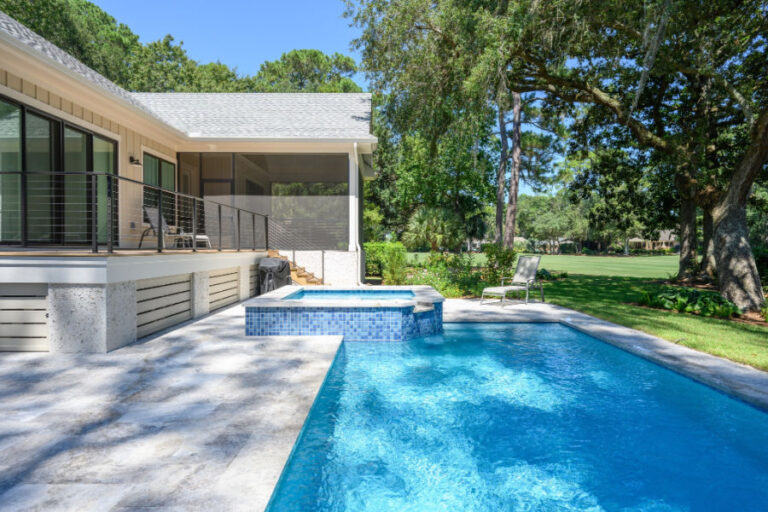
Homeowners should look for slick algae buildup, loose pavers, cracked concrete, uneven coping, puddling water, worn coatings, damaged tile, and areas where runoff collects after a storm. In shaded Lowcountry yards, especially under live oaks or near dense landscaping, pool decks can stay damp longer than expected. That extra moisture can create slippery spots that are easy to miss until someone falls.
Before summer, walk the entire pool area barefoot and in shoes. Look at how the deck feels under normal use. Notice where water collects. Check the path from the back door to the pool, the steps into the pool, the spa edge, outdoor shower areas, and any walkways leading from patios, porches, or screened rooms.
A clean, stable, properly maintained pool deck can make a major difference.
Cuts, Scrapes, and Foot Injuries
Bare feet are part of pool season. That also means small hazards can cause real injuries.
Broken tile, chipped coping, loose screws, cracked drain covers, sharp ladder edges, splintering wood, damaged furniture, and rough pool surfaces can all cause cuts or scrapes. Around older pools, worn plaster or damaged surfaces may be uncomfortable underfoot and may need professional attention before heavier use begins.
Lowcountry homeowners should also think about storm debris. After windy weather, small branches, pine needles, shells, landscape materials, and broken outdoor items can end up near the pool. These may seem minor, but they can be painful for children, older guests, or anyone walking barefoot around the water.
Before summer, inspect the pool edge, steps, ladders, handrails, patio furniture, storage areas, and surrounding walkways. If something feels sharp, loose, or unstable, fix it before guests arrive.
Injuries From Poor Lighting
Many pool injuries happen after sunset.
Summer gatherings often move from afternoon swimming to evening grilling, outdoor dining, and late-night conversations on the patio. In places like Hilton Head and Bluffton, where outdoor living is a major part of the lifestyle, pools are often used well beyond daylight hours.
Poor lighting can make it harder to see steps, wet areas, furniture, elevation changes, pool edges, gates, and walkways. Guests who are unfamiliar with the property are especially vulnerable because they do not know where the steps are, where the deck drops slightly, or how to move around the space safely.
Before summer, check pool lights, patio lights, pathway lights, stair lighting, and any lighting around gates or outdoor kitchens. Replace burned-out bulbs. Clean cloudy fixtures. Make sure switches are easy to find. If certain areas stay dark, consider adding lighting before the busiest part of the season.
Good lighting does more than make the backyard look inviting. It helps people move safely.
Gate, Fence, and Barrier Problems
Pool gates and barriers are easy to overlook until they fail.
A gate that does not self-close, a latch that sticks, a loose fence panel, a broken lock, or a chair placed too close to a barrier can create serious safety concerns, especially when children are visiting. Even careful families can have a moment where someone looks away, a conversation gets distracting, or a child slips outside unnoticed.
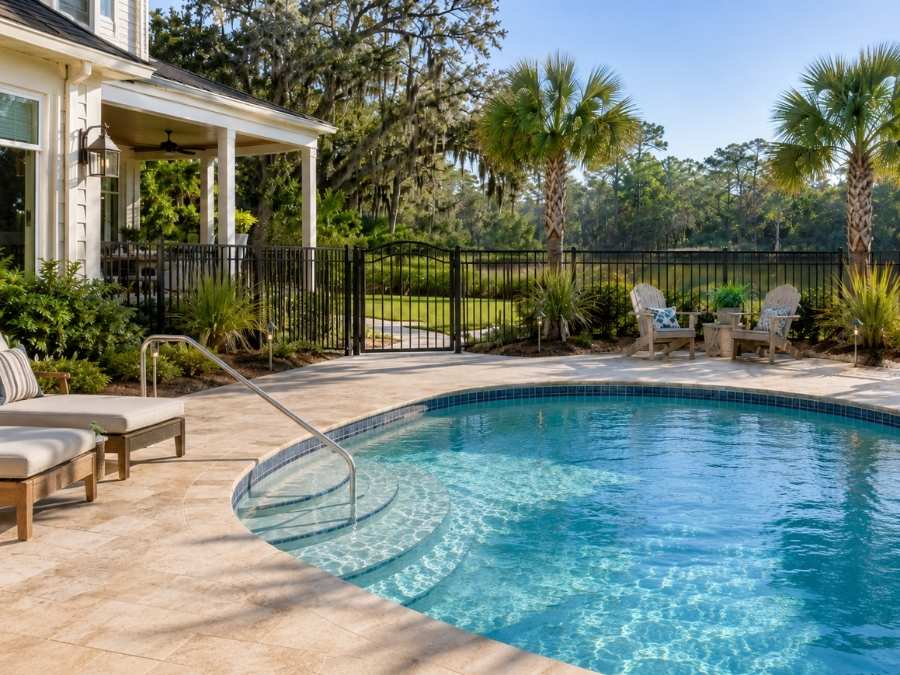
Before summer, test every gate and latch. Make sure the gate closes fully on its own. Check that locks work properly. Look for gaps, loose posts, damaged fencing, or anything that could make the barrier easier to climb.
For vacation rental owners and second home owners, this check is especially important because guests may not be familiar with the property. They may assume the gate works properly without testing it. A quick inspection before the busy season can help prevent a preventable problem.
Diving and Jumping Injuries
Not every pool is safe for diving.
Shallow pools, tanning ledges, steps, benches, and unusual pool shapes can create risks if guests assume they can jump or dive anywhere. Children and teenagers may be especially likely to test limits when summer energy is high, and adults are distracted.
Homeowners should make sure depth markers, rules, and expectations are clear. If the pool is not designed for diving, guests should know that. If there are shallow areas, ledges, or steps, those should be easy to see.
This is also a good time to check whether pool furniture, planters, or decorative features are placed in a way that encourages unsafe jumping. A beautiful pool area should still guide people toward safe use.
Pool Equipment and Drain Related Hazards
Pool equipment is easy to ignore when everything appears to be working. But damaged, outdated, or improperly secured equipment can create safety concerns.
Homeowners should check drain covers, skimmer lids, pump areas, electrical components, exposed wiring, loose equipment covers, and anything that children or guests could access. Equipment areas should be secure and not treated like storage spaces for toys, towels, chemicals, or furniture.
Pool chemicals also need proper storage. Chlorine, acid, and other maintenance products should be kept away from children, pets, heat, and moisture. They should never be left open or stored casually near gathering areas.
Professional maintenance can be especially valuable here because many homeowners will notice obvious cosmetic issues before they notice equipment concerns. A trained pool technician may catch problems before they become dangerous or expensive.
Heat, Dehydration, and Overexertion
Not every poolside injury comes from falling.
Lowcountry summers can be hot, humid, and intense. Guests may spend hours outside without realizing how much sun and heat they are taking in. Children may swim until they are exhausted. Older adults may become lightheaded. Visitors from cooler climates may underestimate the combination of heat, humidity, alcohol, and physical activity.
Before hosting, make sure shaded areas are available. Keep water nearby. Encourage breaks from the sun. Be mindful of older guests, young children, and anyone who may be more sensitive to heat.
A safe pool area is not only about the pool itself. It is about the full environment around it.
When Small Maintenance Issues Become Safety Problems
Many poolside hazards start small.
A loose tile. A weak latch. A dim light. A slippery patch. A wobbly rail. A crack near the coping. A deck area that drains poorly after rain.
Individually, these may not seem urgent. But once summer begins, the pool area sees more traffic, more guests, more children, more wet feet, and more distractions. That is when small issues can become real risks.
Homeowners do not need to think like lawyers to make safer choices. They simply need to look at the pool area honestly and fix the things that could create problems for family, guests, renters, or neighbors.
A Simple Pre-Summer Pool Safety Walkthrough
Before summer gets busy, homeowners can do a basic walkthrough of the pool area.
Start at the main entrance to the backyard and walk the same route a guest would take. Look at the gate, walkway, lighting, furniture placement, deck surface, pool edge, steps, handrails, drains, ladders, spa area, outdoor shower, and equipment zone.
Ask practical questions.
Does the gate close and latch correctly?
Are the walking surfaces stable?
Are there slick spots after rain or cleaning?
Are the steps and elevation changes easy to see?
Are pool lights and patio lights working?
Are handrails secure?
Are there sharp edges or broken materials?
Are chemicals stored safely?
Is furniture placed in a way that blocks walkways?
Would a guest who has never been here understand how to move safely around the pool?
This kind of walkthrough does not take long, but it can reveal issues homeowners stop noticing because they see the space every day.
Special Considerations for Vacation Rentals and Guest Homes
For homeowners who rent their property or host frequent visitors, pool safety deserves extra attention.
Guests may arrive after dark. They may be unfamiliar with the layout. They may have children. They may use the pool more heavily than the owner would. They may not know where lights, gates, towels, rules, or emergency information are located.
Clear communication helps. Make sure pool rules are easy to find. Provide basic instructions for gates, lights, spa controls, and safety features. Keep emergency contact information available. Make sure outdoor areas are clean and ready before each stay.
For vacation homes in Hilton Head, Palmetto Dunes, Sea Pines, Shipyard, Forest Beach, Bluffton, and nearby communities, pool areas are often a major part of the guest experience. A well-maintained pool helps protect both the people using it and the property owner’s peace of mind.
Why Professional Pool Service Helps
Homeowners can spot many common issues, but professional pool service adds another layer of protection.
A pool professional can help identify maintenance concerns that may not be obvious at first glance, including equipment problems, water balance issues, surface wear, drain concerns, tile damage, leaking areas, and signs that a pool needs repair or resurfacing.
Regular service also creates consistency. Instead of waiting until something breaks or becomes visibly unsafe, homeowners can keep the pool in better condition throughout the year.
In the Lowcountry, where pool season is long and outdoor spaces take a beating from weather, humidity, salt air, and heavy use, that consistency matters.
Make the Pool Ready Before Everyone Jumps In
A backyard pool should be one of the best parts of summer. It is where kids learn to swim, friends gather after long beach days, grandparents sit in the shade, and families cool off after a humid Lowcountry afternoon.
A little preparation before the season begins can help keep that experience relaxed and enjoyable.
Check the deck. Test the gates. Look at the lighting. Inspect the steps and handrails. Clean the surfaces. Address repairs early. Keep records of maintenance. Make sure guests know how to use the space safely.
Summer in the Lowcountry should feel easy. A safer, better-maintained pool helps make that possible.